
It is proven that the worst-paid jobs are chief executives and seniors. According to national statistics, the average annual salary of an ordinary UK resident is around £35,464 per year. At the same time, the lowest paying jobs get much less than the above amount. And there is a huge gap between low and high salaries. Most people are likelier to bring home the minimum hourly wage (in some situations, it may be even less).
Workers in the lowest-paid jobs often have serious financial difficulties. The lowest-paid job does not mean that it is really easy work. Low-paid jobs in the UK, such as crossing patrols, teaching assistants, catering supervisors, tram drivers, theme park attendants, patrol occupations and others, do not mean that the position does not require responsibility and a lot of effort. In simple terms, although hard work is required, it may not be reflected in the salary in any way. Otherwise, such jobs as financial project management professionals, catering assistants, financial managers or advertising directors earn significantly more.
The Landscape of Low-Paid Jobs UK
We conducted our own earnings survey to understand the geography of jobs in the UK. If you’re wondering where the average weekly pay is, you should check out our list of regions and weekly pay according to national statistics:
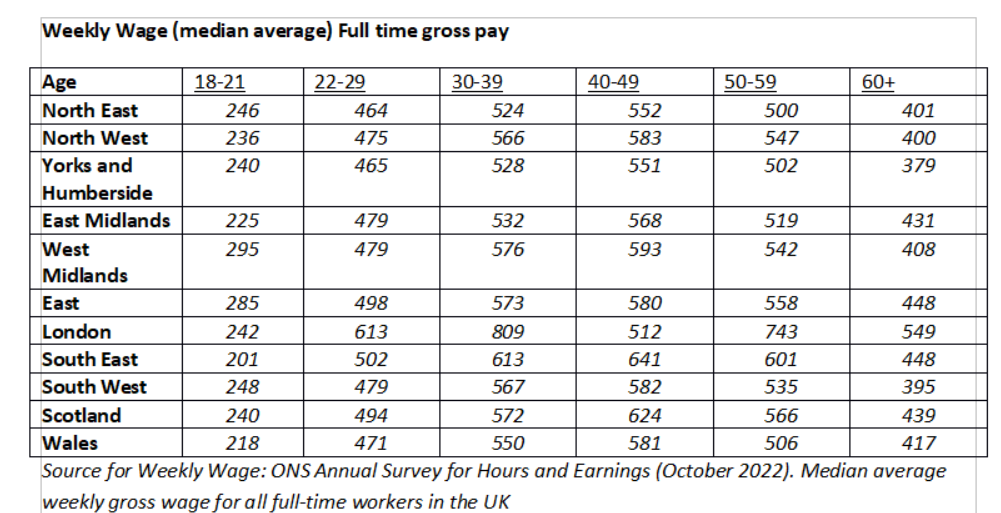
The pay gap by region is just a short distance. In general, weekly pay is directly related to the position held.
Examples of Low-Paid Jobs in UK
We conducted our own earnings survey to understand the geography of jobs in the UK. If you’re wondering where the average weekly pay is, you should check out our list of regions and weekly pay according to national statistics:
The pay gap by region is just a short distance. In general, weekly pay is directly related to the position held.
Lowest Paid Jobs in Retail: Cashiers, Shelf Stackers, and Sales Assistants
Full-time sales employees are often required to perform various retail duties. Salespeople are required to keep their workplace neat and clean at all times. They must also assist customers with their purchases and pass the annual survey. Additional duties may include:
- accepting payments;
- packaging purchases;
- placing an order online;
- receiving deliveries of merchandise;
- inventory;
- keeping records.
Meanwhile, the average salary for a shop assistant in the UK is £14,592. Full-time employees in other positions also earn more.
Hospitality Roles: Waitstaff, Bartenders, and Kitchen Staff
Waiters and waitresses are often at the very top of the lowest-paid positions in the UK. Present staff are required to perform the following duties:
- serve customers in a friendly and professional manner;
- stay on their feet for long periods;
- issuing invoices.
On average, waiters and waitresses earn £14,500 annualy on zero-hours contracts. It’s worth noting that waiters and waitresses can also supplement their wages with customer tips and going out for extra shifts.
Caregivers: Home Care Assistants and Support Workers
Caregivers and other related occupations that involve helping at home do some physically demanding work. Their duties include the following:
- feeding, washing, and dressing an elderly or infirm person;
- cleaning and preparing meals;
- administering medications;
- monitoring vital signs and more.
These workers are often paid an average of £15,100 per year.
Administrative Positions: Receptionists and Data Entry Clerks
Office workers are not the highest-paid jobs. School leavers most often fill these positions as they are entry-level careers. Most often, they perform the following duties:
- receiving calls and messages;
- preparing documents for signature;
- taking handwritten notes;
- handling mail and deliveries, and many more.
Despite the multiple responsibilities, office staff earn an average of £17,000 annually.
Cleaning and Janitorial Jobs: Cleaners and Maintenance Staff
Cleaning and janitorial full-time employees and dry cleaners work in very demanding environments and have to put in a lot of hard work. At the same time, commercial and domestic staff are paid an average of just £10,635 per year. Because of this, cleaning is the lowest-paid occupation in the UK.
More often than not, cleaners have to be self-employed or join a cleaning company. You don’t need formal qualifications or a degree to perform the duties. At the same time, knowledge and experience are just as valued as energy and stamina for the job.
Challenges Faced by Low-Paid Workers
Low pay is a severe problem for most people around the world. The lowest earners face financial difficulties and struggle to make ends meet. At the same time, they are required to work full-time but still struggle to cover basic needs: groceries, utilities, rent, and necessities.
In addition, the worst-paying jobs provoke stress and morale problems as people feel oppressed and unappreciated in their labour.
Budgeting and Financial Tips from Senior Officials
The lowest-paid employee can experience many problems. Low pay affects not only individuals but also families and even society. People with low pay are most likely to experience the following problems:
- Financial hardship;
- Increased debt;
- Health problems;
- Limited opportunities;
- Economic and social inequalities.
At the same time, some potential solutions to the problem need to be addressed at a national level.
Job Insecurity and Lack of Benefits
The lowest earners cannot rely on the benefits that employers can provide. They have yet to guarantee that they will be able to stay in the job for a long time. Also, low-paid employee jobs often do not include paid holidays, sick leave, insurance and other benefits. Therefore, a small salary is the only thing they can settle for.
Regional Disparities in Low-Paid Employment
Jobs are unevenly distributed across the UK. Employees earn the least in Sight Tyneside – the average weekly earnings in this region are £450. East Lindsey has the highest average weekly earnings at £491.
Government Policies and Initiatives
Jobs in the UK are paid disproportionately to the labour that workers put in. At the same time, this problem needs to be tackled at a national level. Policies and programmes are designed to ensure that workers and employers know their rights and responsibilities. All must work towards the common goal of fair wage-paying jobs.
Government policies and programmes promote wage growth by encouraging employers to pay their workers decently, setting standards for median weekly pay, and regulating working conditions. All this is done to ensure that workers are not exploited. Policies also provide special training programmes to ensure employees develop new and valuable skills to earn more money and take their employment opportunities to the next level.
Legislative Measures Addressing Low-Paid Work
We have collected some practical examples of government policies and programmes that increase wages:
- The National Minimum Wage Act. It requires employers to pay workers fairly based on their work and the value they bring.
- Special tax breaks for employers. If chief executives pay employees decently, the incentives can offset the cost of staff wages.
- Vocational training programmes. The government may sponsor special programmes so that employees develop new skills. These programmes may include vocational training, apprenticeships, and on-the-job training.
- Protection of trade unions. They can negotiate for increased average salaries as well as better working conditions.
At the same time, innovations are perceived positively by the employees and employers, as they can get unique benefits and more professional employees.
Government Programmes and Support
In general, special government policies and special programmes are at the forefront of the issue of increasing the average salary. Setting minimum wage standards, offering employee training programmes, providing tax incentives to employers, and protecting the rights of staff to join trade unions can help establish fair pay.
Advancing Careers from lowest-paid jobs
The lowest paid jobs are those that require the most effort. It can be discouraging when doing difficult and demanding work for low pay is necessary. You must invest in training opportunities to move up the career ladder and increase your income. This way, you can improve your experience and become a genuinely marketable employee.