
Compassionate leave is time off from work given to an employee due to a personal emergency. A severe illness or death in the family can fall into this category. Also, a compassionate leave for funeral is a common practice. Bereavement leave and compassionate leave are often used interchangeably. Bereavement leave only refers to time off for death in family, for example, a worker receives a bereavement leave when a parent dies.
HR managers and recruiters must understand compassionate and bereavement leave policies. Supporting employees during tough times promotes a compassionate company culture. Providing this leave demonstrates that the company values its employees’ health and happiness. It boosts morale and keeping good employees is another benefit. Clear policies help companies handle sensitive situations and show empathy to affected employees.
Legal Framework of Compassionate Leave
In the UK, there is no general statutory right to compassionate leave for most situations. However, workers have the right to unpaid leave for emergencies involving dependents. This includes serious illness or death of a dependent. Employees are entitled to reasonable time off for emergencies. This kind of leave is mandatory, but paid time off is optional for employers.
Jack’s Law or Statutory Parental Bereavement Leave is an important compassionate law. In 2020, this statute became law passed by the then Conservative Government. For parents who qualify, it means two weeks off in the event of a stillbirth after 24 weeks. It also applies to the loss of a child under 18 years old. The rate for bereavement leave pay is the statutory rate. Only parents who worked for the company for 26 weeks before the child’s death are eligible. The law applies to biological and adoptive mothers and fathers. Also, compassionate leave UK law applies if you were the parent’s partner.
Under circumstances like death, employers are obligated to grant time off to dependents. Employers may grant compassionate leave for other personal emergencies. No legal requirement exists for this type of leave. This may include employee and family sick days. It is offered by many employers as a gesture of goodwill towards their employees.
Minimum requirements for compassionate and bereavement leave are set out by law. Most companies opt to exceed these standards. To help workers through tough times, they provide more generous policies or paid vacations. Employee morale and loyalty can both be boosted by these extra perks. Key legal considerations include:
- Unpaid emergency time off for dependant care
- Statutory Parental Bereavement Leave
- Protections for employees experiencing personal emergencies
Organisations formulate leave policies that are both understandable and considerate. These policies endeavour to strike a balance between legal obligations and empathy.
Eligibility and Rights for Compassionate Leave

Employees dealing with personal crises have a crucial support system in compassionate leave. Understanding the complex policy landscape can help employers and employees handle these situations. The following cover eligibility and rights for compassionate leave:
Qualification for Compassionate Leave
UK employers understand personal emergencies in family relationships. When employees experience difficult times in life, compassionate leave provides support. Emergencies which involve immediate family members are covered by policies. The approach goes beyond traditional family definitions. The Dependants typically covered include:
- A spouse or civil partner
- Biological parents
- Adopted or step-parents
- Children (biological, adopted, or step-children)
- Someone living in the household
- An elderly neighbour
Dependents are defined more broadly in employment law. Employee assistance is extended to all members of the household. The term encompasses more than just blood relatives. Different types of families and support systems are acknowledged. Emotional support for employees is still the fundamental principle. Companies strive to offer flexible emergency leave policies. Modern workplace human-centred approaches are reflected in compassionate leave law.
Variations in Employer Policies
There is a clear disparity in the compassionate leave policies of various companies. Some businesses provide time off for various types of personal tragedies. It may cover the loss of a close friend or even a pet. Some hold to narrower interpretations. This means that only immediate family emergencies are eligible for leave. A company stands out by understanding its employees’ relationships and emotional situations.
Innovative employee support companies know that grief and other personal issues are hard to classify. So, they emphasise the employee’s emotional connection to the situation. This mostly seems best instead of following strict, narrowly defined family structures. A more people-focused philosophy of work is reflected in this approach.
Duration of Leave
The UK places an emphasis on what is considered “reasonable” time off depending on each unique situation. Different companies have different policies regarding paid bereavement leave. Some companies offer three to five days of leave, while others can offer up to two weeks. You are not restricted in the number of times you can request time off. However, if time off affects your work, your employer may decide to have a talk.
When dealing with sudden family losses or other traumatic events, adaptability is important. Grief and other personal crises do not follow strict schedules, and employers know this. The most helpful organisations are accommodating to different needs. They realise that everyone is different concerning emotional recovery and resilience.
Statutory vs. Discretionary Leave
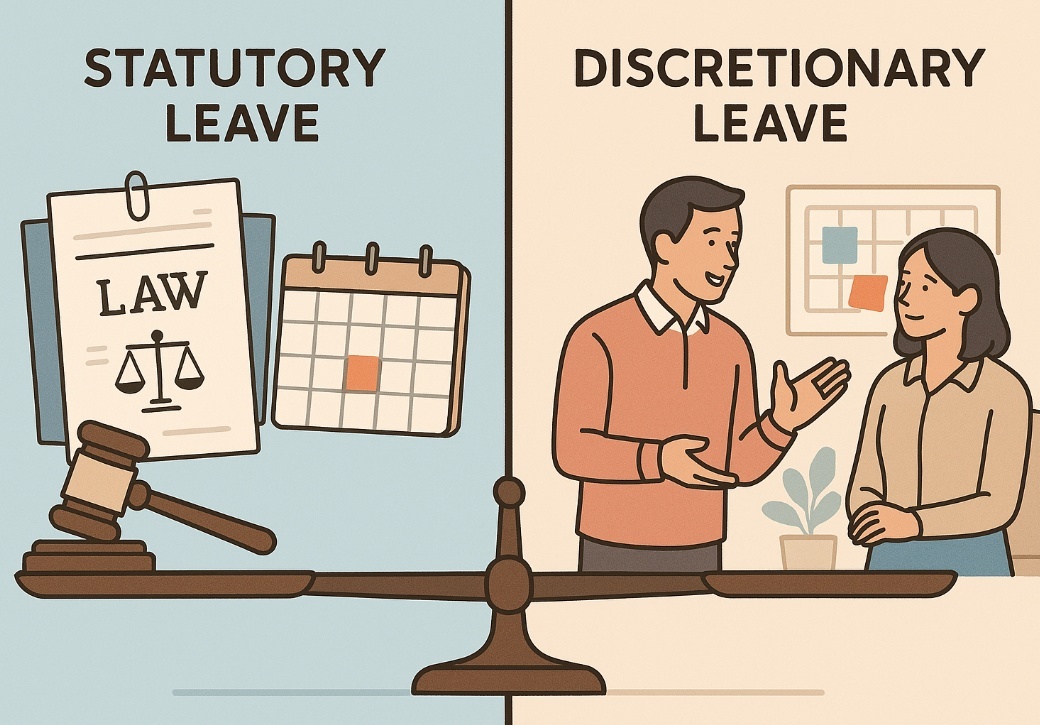
Statutory rights provide a fundamental framework for compassionate leave. It distinguishes between legally mandated provisions and discretionary employer policies. Emergency leave for dependents is a guaranteed benefit for employees. It is usually unpaid and limited to situations that require immediate attention.
Parental bereavement leave represents a specific statutory provision. It ensures minimum protections for parents experiencing profound loss. Beyond these, employers are free to decide whether to provide additional compassionate leave. Many organisations go above and beyond the law by providing paid leave or other extensive support. This strategy shows that the company values its employees beyond legal compliance.
Types of Leave and Circumstances Covered
Employees are eligible for passionate leave in situations where they require assistance due to emergencies. Here are what is classed as compassionate leave and applicable situations:
Bereavement Leave
Employees who have lost a loved one benefit from the UK bereavement leave. This kind of leave recognises the difficulties of grieving, both emotionally and practically. Usually, it covers close relatives, but some businesses cover more extensive relationships. How many days are you entitled to for bereavement UK differs. For parental leave, it usually covers a span of two weeks. The main objective is to provide workers with time to grieve or time off for a funeral preparation.
Time Off for Dependants
Workers have vital protections in place through statutory emergency leave in the event of unforeseen family emergencies. They can take care of immediate family matters, such as unexpected illness, injury, or death. The category of people who fall under this include:
- Wife
- Husband
- Child
- Parent
Employees can take time off irrespective of their duration of service. They only need to notify their employer immediately if they need time off for funeral. If they want to, employers may pay for the dependant time off.
Other Compassionate Circumstances
More workplaces are realizing that compassionate leave means more than people commonly think. Some qualifying circumstances include suffering a traumatic event or having a serious illness in the family. Since no two people’s problems are identical, progressive businesses take a case-by-case approach. For example, an injured worker caring for an elderly parent may be eligible for leave. It could also apply when a spouse is undergoing life-saving surgery.
Parental Bereavement Leave
Parental bereavement leave supports parents going through child loss. Parents are legally required to take two weeks of paid leave for stillbirths or miscarriages. They can take two separate weeks of leave or two weeks together. This grief leave can begin at any time following the date of the stillbirth or death. It ends 56 weeks from the date of the stillbirth or death.
Employer Policies and Best Practices on Compassionate Leave
A company’s dedication to its employees is shown through its work and bereavement policies. Below are employer best practices on compassionate leave:
Crafting a Clear Policy
Structure and flexibility are the keys to effective compassionate leave entitlement. Guidelines should specify covered situations and leave provisions. Creating frameworks helps managers make compassionate, situation-specific decisions. The objective is to lay out specific requirements while still allowing flexibility for unique situations. Instead of imposing rigid numerical allocations, policies should place an emphasis on empathy.
Embed Compassion in Company Culture
There is more to real compassion than just policies in writing. Companies should foster a work atmosphere where employees feel supported. This involves removing the stigma associated with taking needed personal time. Companies can also train managers to react empathetically and proactively offer assistance. Loyalty and trust among employees tend to rise when companies show genuine concern.
Paid vs. Unpaid Leave
Although it’s not always required by law, compassionate leave pay shows an organisation cares. For brief periods of mourning, many employers pay in full, especially for close relatives. Personal crises can put a strain on an employee’s finances, and employers should be aware of this. A flexible option could be to provide paid time off for the first few days. There can be the option to use unpaid time off or holidays as needed.
Additional Support for Employees
Extensive assistance goes beyond vacation time. Under compassionate leave rules, employers can offer grief counselling and return-to-work plans. Supplementary resources include help with financial planning or recommendations to support groups. The aim is holistic support that considers the mental and practical difficulties employees face.
Communication and Awareness
Employers must communicate compassionate leave policies clearly. Support must be listed during the onboarding process. Empathy and confidentiality encourage employees to seek help. Managers must learn to handle sensitive discussions with empathy and grace.
Managing Compassionate Leave Requests
Handling compassionate leave requests needs empathy and understanding. Helping employees through tough times while maintaining business operations is a priority. Here’s how HR and managers can manage leave requests:
Handling Requests with Sensitivity
When an employee requests compassionate leave, show empathy. Expressing empathy can ease their pain. Do not jump into talking about procedures or policies. The worker might be experiencing grief or shock, so it’s crucial to listen and provide comfort. Here are simple steps to take in such situations:
- First, to the worker privately right away.
- Before you talk about the specifics of leave, offer your condolences and support.
- Be sensitive to the worker’s urgent requirements. These may include space to grieve or attend to family issues.
Gather Necessary Information Gently
HR needs to get all the important details regarding the leave request. However, be careful with your questions. Keep the employee from feeling overburdened. Get a feel for the situation by asking free-form questions. You can ask, “Do you need a week off?” Be as simple as possible. Think of it as a small formality if you will need documentation in the future. Pay attention to what the employee needs right now and stay away from red tape.
Responding and Approving Leave
It is important to respond quickly when granting grievance leave requests. Doing so demonstrates comprehension and support. Quickly grant the requested leave if it aligns with the company’s policy. Feel free to bring up alternatives like unpaid leave. Suggest using annual or sick days if the leave goes beyond the policy. Explain the boundaries of the company while being understanding. Making sure the employee knows they are supported is of utmost importance.
Balancing with Business Needs
Human resources must remain cognisant of company operations while demonstrating empathy. Make preparations to finish the work that the employee is responsible for. Notify customers of potential delays and reassign work to other team members.
The company could hire temporary help if necessary. But don’t put any pressure on the worker to cut their leave for work-related reasons. Such pressure is seldom required in the event of a critical business emergency. Instead, understand the employee’s situation while also meeting the needs of the company. Remember that these situations won’t last forever, and coworkers may be willing to help.
Conclusion
An organization’s dedication to human dignity is demonstrated through compassionate leave. Employees are more loyal to companies that help them through tough times. Decent compassionate leave policies balance legal requirements with empathy. They get that workers are complex individuals with lives outside of work and treat them as such.
Organisations need to establish rules that are both specific and adaptable. Managers must receive training in sensitive communication. Workplace culture is strengthened when employees are supported during difficult times. People are more important than productivity, and compassionate approaches show that. Companies build resilient, supportive workplaces by prioritising employee well-being.